
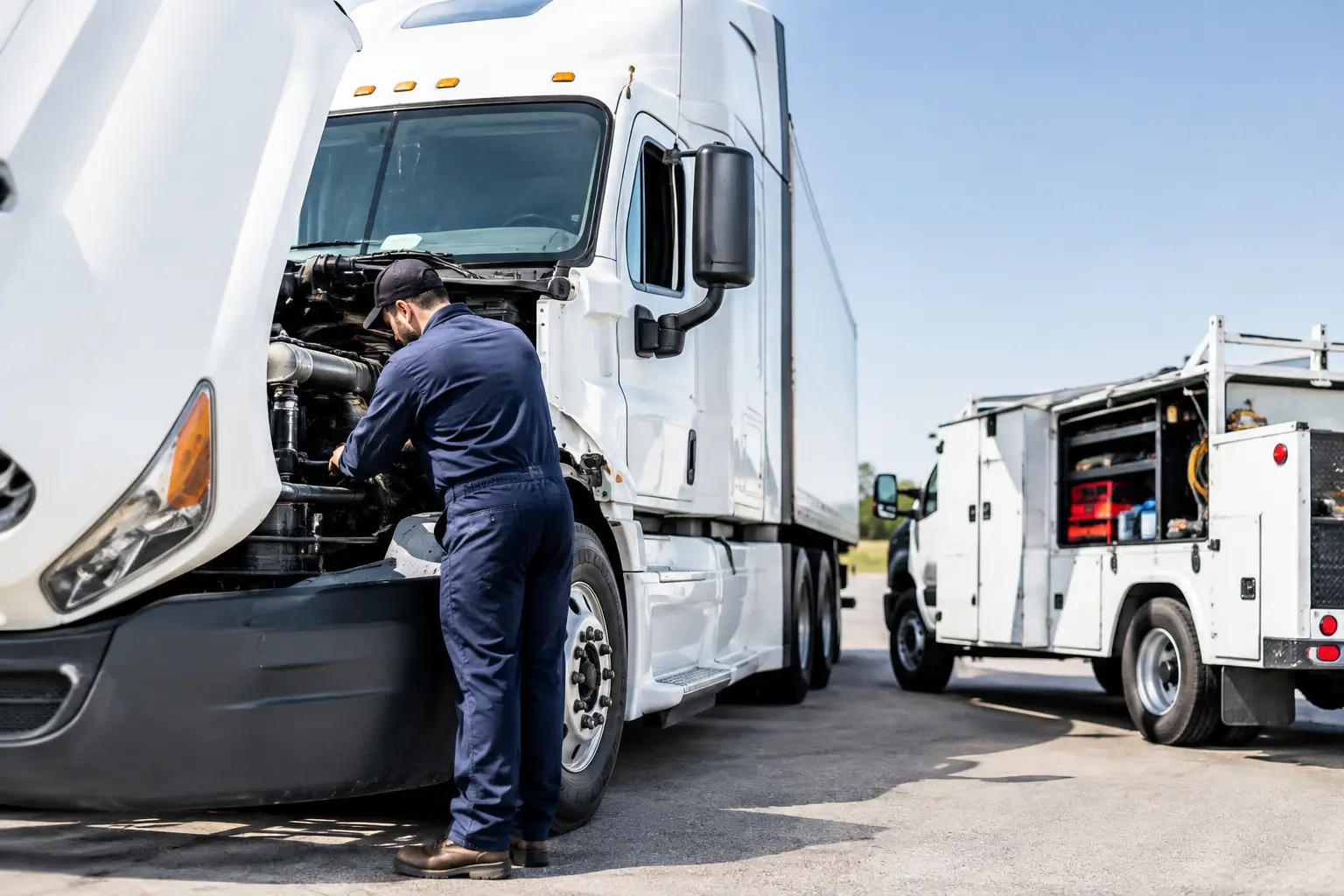
A truck stopped on the shoulder, at a receiver, or in a Dallas-area yard is not just waiting for a repair. It is holding up a driver, a load, a delivery window, and the next dispatch. Finding the best Dallas truck repair option means finding a provider that can respond where the equipment failed and start making decisions fast.
For commercial operators, the right repair service is not always the closest building with a service bay. When the truck cannot safely move, the trailer has a defect, or a tow would add hours and expense, mobile repair can be the more practical answer. The goal is simple: diagnose the problem, make the needed repair when possible, and get the unit back to productive work without adding avoidable downtime.
What the Best Dallas Truck Repair Should Deliver
A repair provider earns the job by doing more than answering the phone. It needs to understand what a breakdown costs after the first missed appointment. Drivers lose productive hours. Dispatch has to reshuffle freight. Customers start asking for updates. A small mechanical issue can turn into a service failure if nobody takes ownership quickly.
The best response starts with clear communication. The repair provider should collect the truck or trailer location, unit details, symptoms, safety conditions, and whether the load can remain where it is. That information helps send a technician prepared to diagnose the issue instead of losing time after arrival.
Availability also matters. Breakdowns do not wait for business hours, and freight does not stop moving overnight, on weekends, or during holidays. A 24/7 commercial truck and trailer repair option gives drivers and dispatchers a direct path when the regular shop is closed.
Mobile capability is the other major factor. A technician who comes to the truck can often address problems at a customer facility, truck stop, roadside location, jobsite, or staging yard. That can eliminate the delay and cost of arranging a tow before anyone has even inspected the unit.
Mobile Repair Is Not Just a Convenience
For a fleet manager, sending equipment to a fixed shop may be the right choice for planned maintenance, major engine work, or repairs that require specialized shop equipment. But an emergency is different. If a disabled unit needs immediate attention, the first question is whether it can be repaired safely in the field.
Mobile truck and trailer repair can be especially useful for air system concerns, electrical faults, no-start conditions, brake issues, lighting defects, trailer problems, and mechanical failures that keep a unit from legally or safely moving. The exact repair depends on the condition of the vehicle, available parts, site access, and safety requirements. A responsible technician will not promise a roadside repair before diagnosing the problem.
That distinction matters. Fast service should not mean rushed service. The right provider assesses the defect, explains the practical repair path, and tells the customer when a tow or a shop repair is the safer option. Honest direction protects the driver, the freight, and the equipment.
The Cost of Waiting for a Tow
A tow is sometimes necessary, but it should not be the automatic first step. Heavy-duty towing can involve long arrival windows, distance charges, coordination with a receiving shop, and additional downtime once the unit reaches the facility. If the truck or trailer can be repaired on location, those hours may be avoided.
Field repair also helps when the issue appears at a shipper or receiver. A truck that will not start after loading, a trailer light failure before departure, or an air leak found during a pre-trip inspection can disrupt the entire schedule. Bringing repair capability to the location keeps the situation from becoming a multi-step recovery project.
What to Have Ready When You Call
The fastest calls are the calls with usable details. Dispatch does not need a long story, but the technician needs enough information to locate the unit and understand the likely problem. Have the truck number, trailer number if applicable, location, contact name, and a clear description of the symptoms ready.
Describe what the driver sees and hears. Is there an air leak? Does the engine crank but not start? Is a warning light active? Is there visible damage, a tire issue, or a trailer brake concern? Let the provider know whether the unit is loaded, whether it is blocking traffic or a dock, and whether the driver is in a safe location.
If possible, share the make, model, and year of the equipment. Photos can also help when they are safe to take, particularly for visible trailer damage, lighting problems, loose components, or fluid leaks. The purpose is not to diagnose the truck over the phone. It is to help the responding technician arrive with the right expectations and equipment.
Keep Safety Ahead of Schedule Pressure
No delivery appointment is worth putting a driver or the public at risk. If the truck is in an unsafe position, has a serious air loss, visible fluid leak, brake concern, or damage that affects roadworthiness, the driver should secure the area and follow company safety procedures before anything else.
A mobile repair technician can assess many field conditions, but site safety still controls the work. Shoulder width, traffic exposure, weather, parking conditions, cargo status, and access to the unit all affect what can be done safely. In some cases, moving to a safer nearby location or arranging a tow is the right operational decision.
Choosing a Provider Before the Breakdown
The worst time to research repair coverage is when a driver is already stranded. Fleets and owner-operators running through Dallas should know their emergency repair plan before the next issue occurs. Save a dependable 24/7 mobile repair contact, confirm the areas it covers, and make sure drivers know what information to provide.
Do not choose based on a low quote alone. The lowest initial number can become expensive if response is slow, communication is unclear, or the provider cannot support commercial trucks and trailers. Consider response availability, mobile service range, commercial experience, diagnostic approach, and whether the provider communicates directly with drivers and fleet contacts.
It also helps to set internal expectations. Drivers should know who to notify first. Dispatch should know how to approve repairs after hours. Maintenance teams should know when to request mobile service and when to direct equipment to a shop. A simple process prevents a small delay from becoming several hours of back-and-forth calls.
Dallas Repairs Need an Uptime Mindset
Dallas freight traffic creates little room for equipment problems. A delayed pickup can affect a route across the metroplex, while a trailer defect at a warehouse can hold up loading crews and appointment schedules. The repair decision needs to account for the full operation, not just the immediate mechanical symptom.
That is why mobile-first service matters. MTG Truck Shops provides 24/7 commercial truck and trailer repair by dispatching technicians to the customer location. When equipment is down, the focus is on bringing the repair process to the truck instead of making the driver solve the transportation problem first.
For planned work, a scheduled shop visit may still be the best fit. For a truck or trailer that is down now, field service can shorten the path from problem to diagnosis and from diagnosis to a workable repair. That is the standard worth looking for when uptime is on the line.
When the next breakdown interrupts a run, give the repair provider the location, symptoms, and equipment details right away. A clear first call helps the technician arrive ready to work and gives your driver the best chance of getting safely back on the road.