
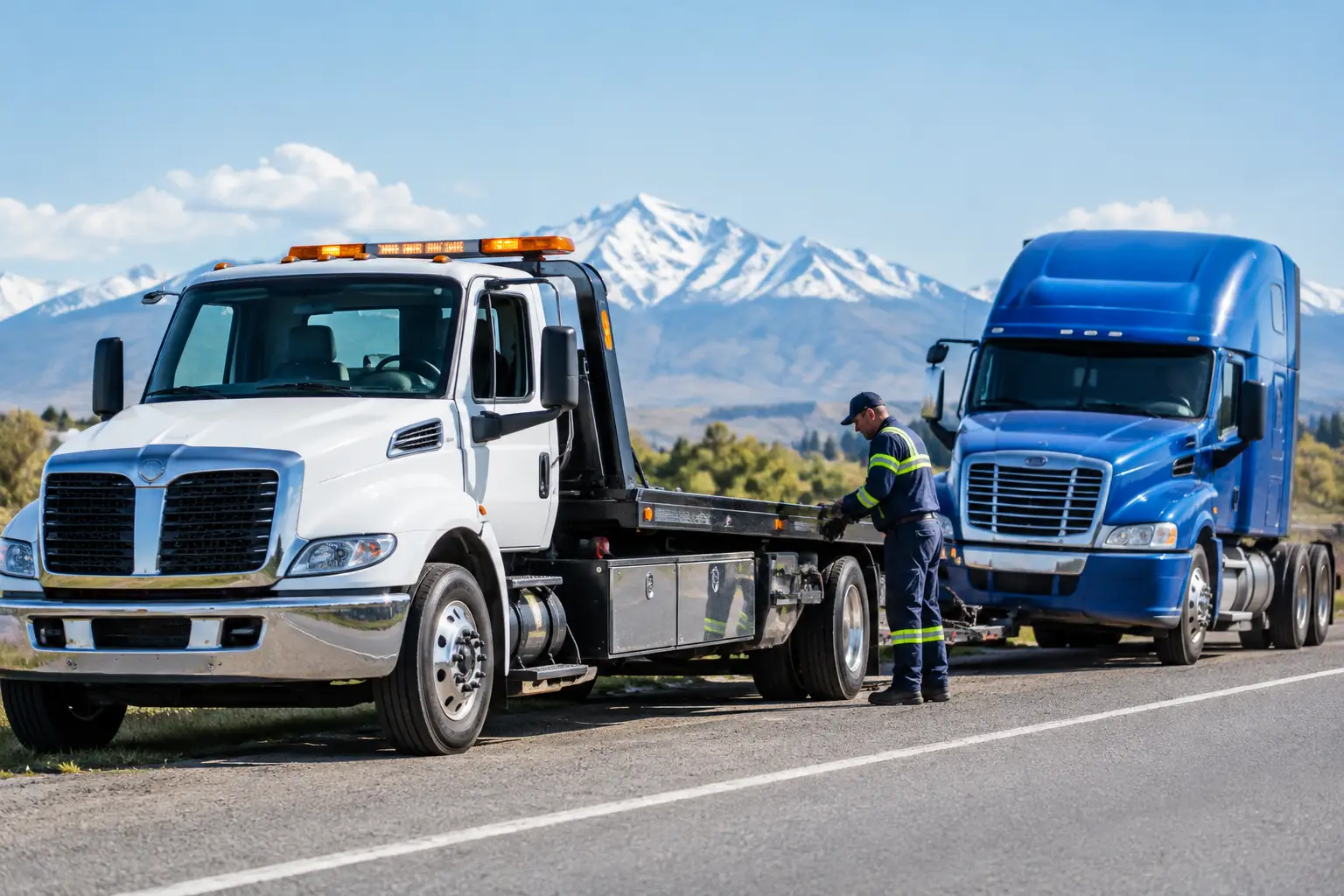
A disabled truck on I-25, a trailer issue at a receiver, or a no-start at a jobsite can put the entire day behind schedule. Fort Collins roadside assistance for commercial trucks and trailers needs to do more than get a driver off the shoulder. It needs to get the equipment diagnosed and repaired where it sits, with as little lost time as possible.
For carriers, owner-operators, and fleet dispatchers, downtime is not an inconvenience. It affects delivery windows, driver hours, customer commitments, and revenue. When a mechanical problem takes a unit out of service, the right response is mobile repair from technicians equipped to work at the breakdown location.
Fort Collins Roadside Assistance Built for Commercial Equipment
Commercial roadside assistance is different from passenger vehicle service. A Class 8 truck, work truck, dry van, reefer, flatbed, or equipment trailer may have a problem that cannot be solved with a jump-start and a tow. The issue could involve air brakes, electrical connections, tires, lighting, suspension components, charging systems, air lines, or a trailer defect that prevents safe movement.
A mobile truck and trailer repair response starts with the details. Dispatch needs to know where the unit is, what type of truck or trailer is involved, whether it is loaded, and what the driver is seeing. A clear description helps send the right technician and prepare for the repair before arrival.
That matters on busy corridors around Fort Collins, where a disabled commercial vehicle may be stopped along I-25, US 287, Highway 14, a warehouse access road, or an active construction site. The safest place for a truck is not always the most convenient place to repair it. A qualified field technician evaluates the condition, addresses immediate safety concerns, and determines whether an on-site repair can return the unit to service.
What Mobile Roadside Repair Can Address
Many breakdowns can be handled at the truck or trailer's location. The exact repair depends on the component failure, parts availability, weather, access to the unit, and the condition of the vehicle. When repair in the field is practical, it can prevent an unnecessary tow and get the driver moving sooner.
Common roadside calls include electrical faults that cause lights or accessories to fail, battery and charging concerns, air leaks, brake-related issues, damaged air or electrical lines, wheel-end concerns, and trailer lighting problems. Technicians may also address mechanical issues that leave a truck unable to start or a trailer unable to operate safely.
Trailer defects deserve the same urgency as tractor problems. A trailer with inoperative lights, an air system issue, a damaged connection, or a brake concern can stop a load even when the truck itself is running correctly. Waiting until the equipment reaches a shop is not always an option when a driver is at a shipper, receiver, roadside location, or jobsite.
Not every failure is a roadside fix. A major engine problem, severe collision damage, extensive driveline failure, or a repair requiring specialized equipment may call for towing or a shop repair. The goal is not to force a field repair that should be handled elsewhere. The goal is a fast, practical assessment that avoids wasting more time than necessary.
What to Have Ready When You Call
The first few minutes of a breakdown can determine how efficiently the repair moves forward. Drivers and dispatchers can help by providing accurate information instead of trying to diagnose every possible cause.
Have the truck or trailer location ready, including the closest highway marker, exit, cross street, facility name, or gate information. Share the unit number, truck make and model when available, trailer type, and whether the equipment is loaded. Explain the symptoms in plain terms: no crank, low air pressure, warning lights, air leak, locked brakes, damaged line, or lights out.
It also helps to state whether the truck is in a safe parking area, on the shoulder, blocking a dock, or positioned where access is limited. If cargo condition creates an additional concern, such as a temperature-controlled load or time-sensitive delivery, say so at the beginning of the call. That lets the service provider prioritize the situation appropriately.
Do not continue driving a commercial vehicle with a condition that affects braking, steering, tires, lighting, air pressure, or safe control. Moving the unit a short distance may turn a manageable repair into a more expensive failure or create a roadside safety issue. Secure the area, follow company procedures, and request assistance.
Why Mobile Service Protects Uptime
A conventional repair process often starts with a tow, followed by waiting for shop intake, diagnosis, repair authorization, and service bay availability. That process may be necessary for major repairs, but it is costly when the actual problem can be corrected in the field.
Mobile repair brings the diagnostic and repair capability to the truck. It reduces the time spent arranging transport for disabled equipment and can keep a driver closer to the load, route, or customer location. For fleets, it also gives dispatch a clearer picture of what is happening and whether the unit can return to service the same day.
The value is especially clear after normal shop hours. Breakdowns do not wait for business hours, and a truck parked overnight can create more than a repair bill. It can create a missed appointment, a rescheduled load, driver delay, detention exposure, and equipment availability problems for the next dispatch.
MTG Truck Shops provides 24/7 mobile commercial truck and trailer repair because equipment failures happen wherever the work is. We Come to You, whether the unit is roadside, at a customer facility, in a yard, or at a jobsite.
Choosing the Right Roadside Repair Response
When calling for Fort Collins roadside assistance, look for a provider focused on commercial trucks and trailers rather than general vehicle service. Commercial equipment has different systems, larger safety considerations, and higher downtime costs. The response should be built around restoring safe operation, not simply moving the vehicle somewhere else.
Ask whether the provider offers mobile truck and trailer repair, operates around the clock, and can respond to the specific type of issue involved. Be direct about the symptoms and location. A good service response is practical: assess the problem, make the repair when conditions allow, and tell you clearly when a tow or additional service is the safer next step.
Fleet managers should also consider roadside repair before the emergency happens. Keep unit information current, make sure drivers know how to report a breakdown, and establish a clear process for communicating location, safety status, and load urgency. Prepared drivers give technicians and dispatchers a better starting point when every minute counts.
The next time a truck or trailer stops working near Fort Collins, focus on the immediate facts: protect the driver, secure the equipment, document the location, and get a mobile commercial repair technician on the way. Fast action at the breakdown site can keep one mechanical issue from becoming a lost day.