
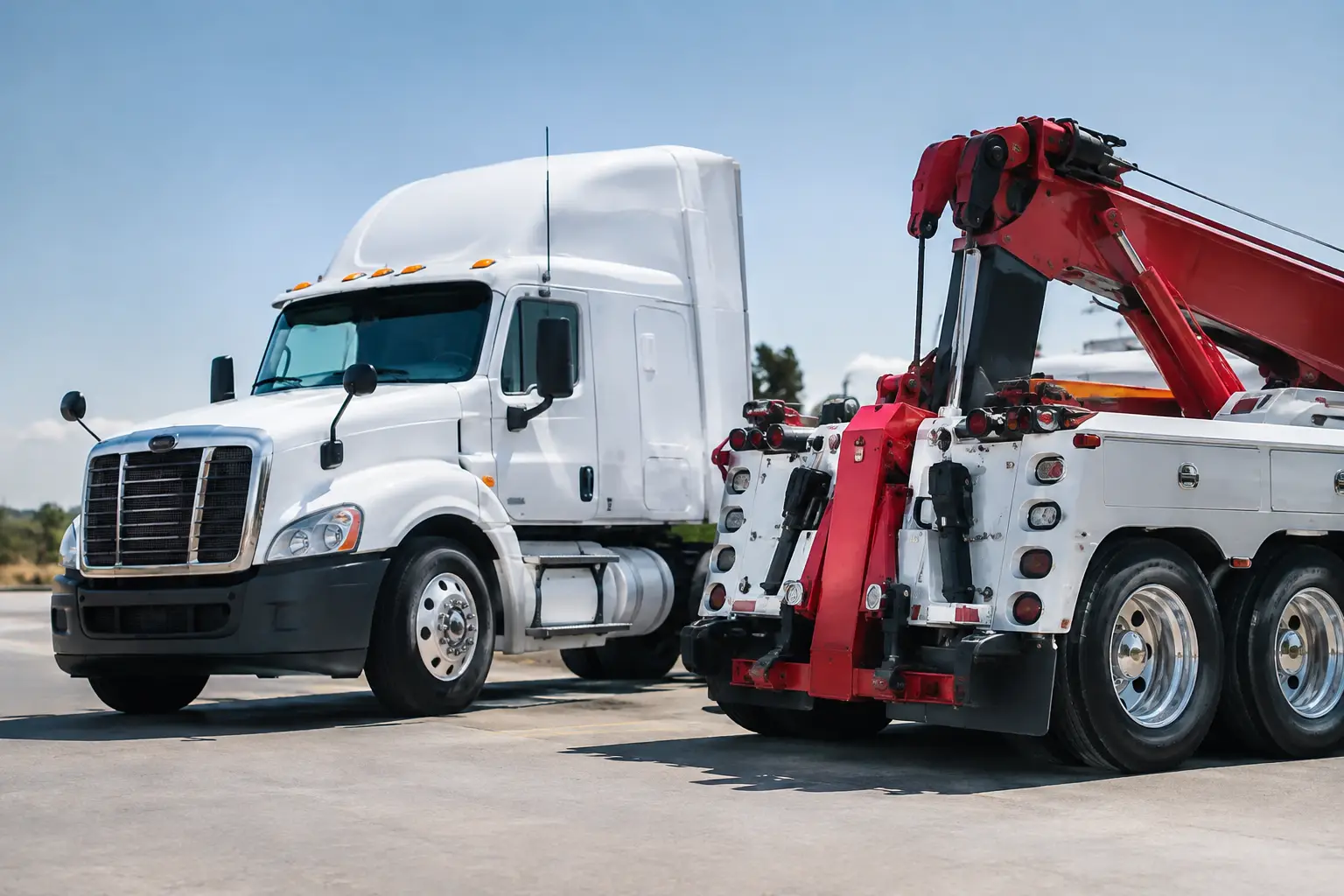
A truck stopped on the shoulder, at a receiver, or on a jobsite creates two urgent problems: the repair itself and the cost of moving the equipment. Knowing how to reduce towing costs starts with treating every breakdown as an uptime decision, not just a transportation problem. If the truck or trailer can be diagnosed and repaired where it sits, a tow may be avoidable altogether.
For owner-operators, fleets, and dispatch teams, that matters because a heavy-duty tow is only part of the bill. Lost driving time, missed appointments, cargo delays, driver waiting time, and a second repair stop can cost more than the tow itself. The goal is simple: make the safest, fastest repair decision before a hook is dispatched.
How to Reduce Towing Costs Before a Breakdown
The least expensive tow is the one your operation never needs. That does not mean every failure is preventable, but it does mean common roadside issues should be found before they become immobilizing.
Build pre-trip and post-trip inspections around the defects that can take a truck or trailer out of service. Drivers should look beyond obvious tire damage and fluid leaks. Pay attention to air-system response, brake performance, lights, electrical connections, wheel-end heat, hoses, belts, landing gear, trailer doors, and coupling components. A small air leak noticed at the yard is far cheaper to address than a no-air condition on a loaded trailer miles from the nearest shop.
Preventive maintenance also needs to match the work the equipment actually does. A trailer that runs rough construction access roads needs different inspection priorities than one making highway freight runs. Stop-and-go city operation, heavy loads, extreme heat, mountain grades, and long idle time all change wear patterns. Maintenance intervals based only on mileage can miss the conditions causing repeat roadside calls.
Keep clear records of recurring defects by unit number. If the same truck has repeated battery, charging, air, or wiring issues, fix the root cause instead of paying for repeated emergency service. A pattern of small failures is often an early warning that a larger roadside event is coming.
Call for Diagnosis Before Calling for a Tow
A tow is necessary when the equipment cannot be made safe to operate, when the damage requires shop equipment, or when roadside conditions make repairs unsafe. But many commercial breakdowns do not automatically require one. Dead batteries, charging problems, air leaks, damaged air lines, electrical faults, lighting issues, tire service needs, minor coolant leaks, trailer defects, and some brake-related problems may be repairable on location.
Before authorizing a tow, give the service provider usable information: the exact location, truck and trailer numbers, make and model, symptoms, warning lights, whether the unit is loaded, cargo details, and any safety concern. Photos or short videos can help when it is safe to take them. Accurate information lets a mobile technician arrive with the right tools and likely parts, reducing wasted response time and helping determine whether a field repair is realistic.
Do not ask a driver to keep moving a truck just to reach a shop when there is an active safety issue. Operating with low air pressure, overheating, steering concerns, brake defects, loose wheels, or a compromised trailer connection can turn a repair call into a major incident. Saving money means avoiding unnecessary towing, not taking risks that lead to crashes, cargo damage, or enforcement problems.
Use Mobile Repair to Avoid Unnecessary Tows
A fixed shop requires the disabled unit to come to the repair. Mobile repair reverses that equation. The technician comes to the truck, trailer, warehouse, roadside location, customer yard, or jobsite and starts with diagnosis where the equipment stopped.
That approach can eliminate the cost of a heavy-duty tow when the failure is repairable in the field. It can also avoid the delay of waiting for a tow truck, transporting the unit, checking it into a shop queue, and arranging a pickup after repairs are completed. For a fleet, those hours affect dispatch, driver utilization, delivery commitments, and equipment availability.
Mobile service is not a replacement for every shop repair. Engine failures, major collision damage, severe aftertreatment problems, internal transmission issues, and repairs requiring lifts or extensive parts may still require a tow. The value is getting a qualified assessment first. A technician can make the repair when possible or confirm that towing is the safe next step, rather than towing by default.
For time-sensitive commercial equipment failures, MTG Truck Shops provides 24/7 mobile truck and trailer repair with the operating principle that matters most during a breakdown: We Come to You.
Choose the Right Tow When a Tow Is Required
When a tow cannot be avoided, the wrong equipment or poor coordination can raise the final invoice quickly. Heavy-duty towing rates often reflect distance, truck class, recovery difficulty, time of day, required labor, storage, and special equipment. A loaded tractor-trailer, a unit in a ditch, or a truck blocking a tight access road is not a standard tow situation.
Start by confirming the destination. The closest facility is not always the best choice if it cannot handle the specific repair, does not have capacity, or cannot work on the trailer. A second tow from the first shop to another location can erase any savings from choosing the nearest address. Dispatch should confirm repair capability, hours, parts availability, and whether the truck, trailer, and load can be accommodated before the tow begins.
Ask for the tow company’s rate structure when circumstances allow. Clarify hook-up charges, mileage, labor, recovery fees, after-hours rates, storage, and charges for moving the trailer separately. There may be no way to eliminate necessary charges during an emergency, but clear authorization reduces surprises and prevents delays caused by incomplete instructions.
If cargo is involved, coordinate the consignee, shipper, broker, and insurer early. A loaded unit may need load transfer, temperature monitoring, secure parking, or specialized handling. Waiting until the truck is already at a tow yard can create avoidable storage fees and lost product.
Give Drivers a Clear Breakdown Process
Towing costs often rise because the first call is made without enough information or because several people give conflicting directions. Drivers need a short, practical procedure they can follow under pressure.
First, they should secure the scene, notify dispatch, and report the exact location and condition of the vehicle. Next, dispatch should decide whether mobile diagnosis can be sent before a tow is ordered. If a tow is required, one authorized contact should coordinate the destination, load status, and payment approval.
The process should also define what drivers should not do. They should not crawl under an unsafe truck, disconnect air or electrical lines without instruction, drive with a serious mechanical or safety defect, or accept a tow destination without dispatch approval unless immediate safety requires it. Clear boundaries protect the driver and help control cost.
Use a breakdown report after each event. Record the failure, repair performed, tow charges if any, downtime, location, vendor response time, and whether the tow could have been prevented. Over time, this gives fleet managers facts to improve maintenance schedules, stock common parts, adjust routes, and evaluate service coverage.
Plan for the Locations That Create the Most Risk
Remote routes, mountain corridors, oilfield roads, border freight lanes, and high-volume metro areas all create different towing challenges. In some areas, the biggest expense is distance. In others, it is congestion, limited access, weather, or after-hours availability. A fleet that understands where its units fail can prepare coverage before an emergency happens.
Keep approved mobile repair and towing contacts for the lanes your equipment runs most often. Confirm that providers can service commercial trucks and trailers, respond after hours, and reach yards, job sites, and roadside locations. In service areas such as Wyoming, Colorado, and Texas, long distances and changing conditions can make a fast field response especially valuable.
Do not let a minor defect become a roadside decision because the truck is too far from home base. If a driver reports an issue early, arrange service at the next safe stop, terminal, receiver, or parking location. Planned field service is usually more controlled than an emergency call, and it may keep the truck from becoming non-running.
A tow is sometimes the right call. When it is, make it quickly and safely. But when the problem can be repaired where the truck or trailer stopped, a mobile response protects more than the towing budget - it protects the load, the schedule, and the equipment’s ability to keep earning.