
Utility trailer repair & service
Utility Trailer Manufacturing builds commercial dry vans, refrigerated trailers, and flatbeds
— equipment that works for a living and fails in the systems that carry the load: air, brakes, suspension, wheel ends, and body. MTG Shops repairs those systems on Utility equipment across Colorado, Wyoming, and Texas, from mobile roadside and yard calls to scheduled bay work.
Utility's commercial lineup covers dry vans, refrigerated trailers, and flatbeds, and those are the units this page covers. Dispatch asks for three things first — the model, whether the trailer is loaded, and where it sits — because those decide the parts, the safe repair setting, and who gets assigned.
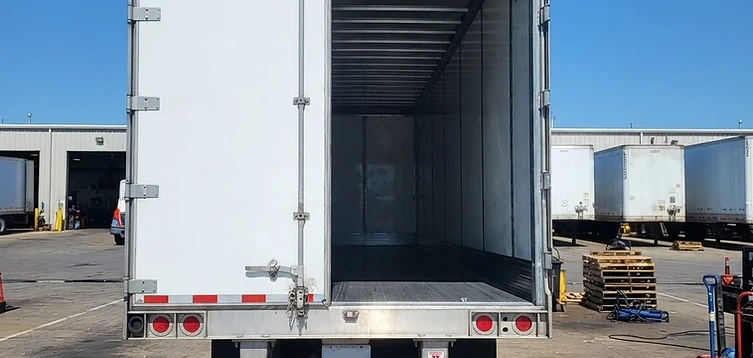
What Utility builds — and what that changes
Utility's commercial lineup includes the 4000D-X Composite dry van, the 3000R refrigerated trailer, and flatbed equipment. Model and configuration decide which parts fit and whether a repair belongs in the field or a bay.
Composite side walls change how panel damage and interior scuffs are assessed; brakes, air, lighting, and wheel ends follow the same path as any commercial van.
The trailer body, axles, brakes, lights, and air system are trailer repair. Refrigeration-unit faults are a separate discipline that dispatch confirms before anything is promised.
Deck, rails, lighting, suspension, and air work, with structural repairs assessed in person before a bay time is booked.
Model and configuration decide which parts fit, so the model number is the first thing dispatch asks for.
Trailer systems we repair on Utility equipment
Air system & gladhands
Leaks, couplers, valves, and frame-rubbed lines.
Brakes & ABS
Chambers, slack adjusters, drums, sensors, and wiring.
Lighting & wiring
Lamps, harness, connectors, and grounds.
Suspension & air bags
Air springs, hangers, bushings, and pivot hardware.
Landing gear & wheel ends
Landing gear, cranks, kingpins, hubs, bearings, and seals.
Body, floor, doors & roof
Panels, floors, roofs, and doors — assessed, then bay-scheduled.
When to call for repair
A leaking hub seal shows as oil at the wheel end; a slack adjuster out of adjustment shows as excessive pushrod travel. Both are wheel-end and brake work: inspect, replace, re-torque, then verify brake operation before the trailer goes back under a load.
Dropped and hooked trailers wear couplers, and frame-rubbed lines develop pinholes. We trace the leak to the source, repair the line or fitting, and recheck the system at operating pressure instead of guessing at parts.
Corroded connectors, chafed harness, and wheel-speed sensor faults set the ABS lamp. We trace the circuit, repair the connection, and confirm operation after the repair.
Mobile roadside or shop bay?
A leaking wheel seal or a brake adjustment on a van that rolls and steers can often be handled in a bay at Brush or Harlingen. If the trailer cannot be moved safely, dispatch decides the setting with you — mobile work depends on safe access, the specific fault, the equipment on the truck, and available parts.
Roadside or yard
- Air leaks, gladhands, couplers, and lines
- Brake and ABS faults, lighting and wiring
- Eligible suspension, landing gear, and wheel-end work
Only where the trailer can be worked safely and the parts are on the truck.
In the shop bays
- Body, floor, panel, roof, and door replacement
- Structural and frame repair
- Work that needs a lift or shop equipment
Bay time is scheduled separately from 24/7 mobile dispatch, and a tow may still be the safe answer for a trailer that cannot move.
What dispatch needs from you
Give dispatch the Utility model — 4000D-X, 3000R, or flatbed — plus loaded status and the exact location, so parts and the repair setting are confirmed on the call.
- Trailer make, model, and year if you have it
- Loaded or empty, and whether the trailer can be moved safely
- Exact location: mile marker, yard, dock, or terminal, plus an on-site contact
- What you are seeing — air pressure loss, ABS lamp, dead lights, wheel noise, sagging corner, door or floor damage
- Photos of the failed area, if you can take them safely
- Whether the trailer can be dropped and left at that location
Completed Utility trailer work
Four shops for Utility trailer work
Body, floor, door, roof, and structural work runs at our four physical shops. Shop days and bay availability are confirmed on the call.